Technology
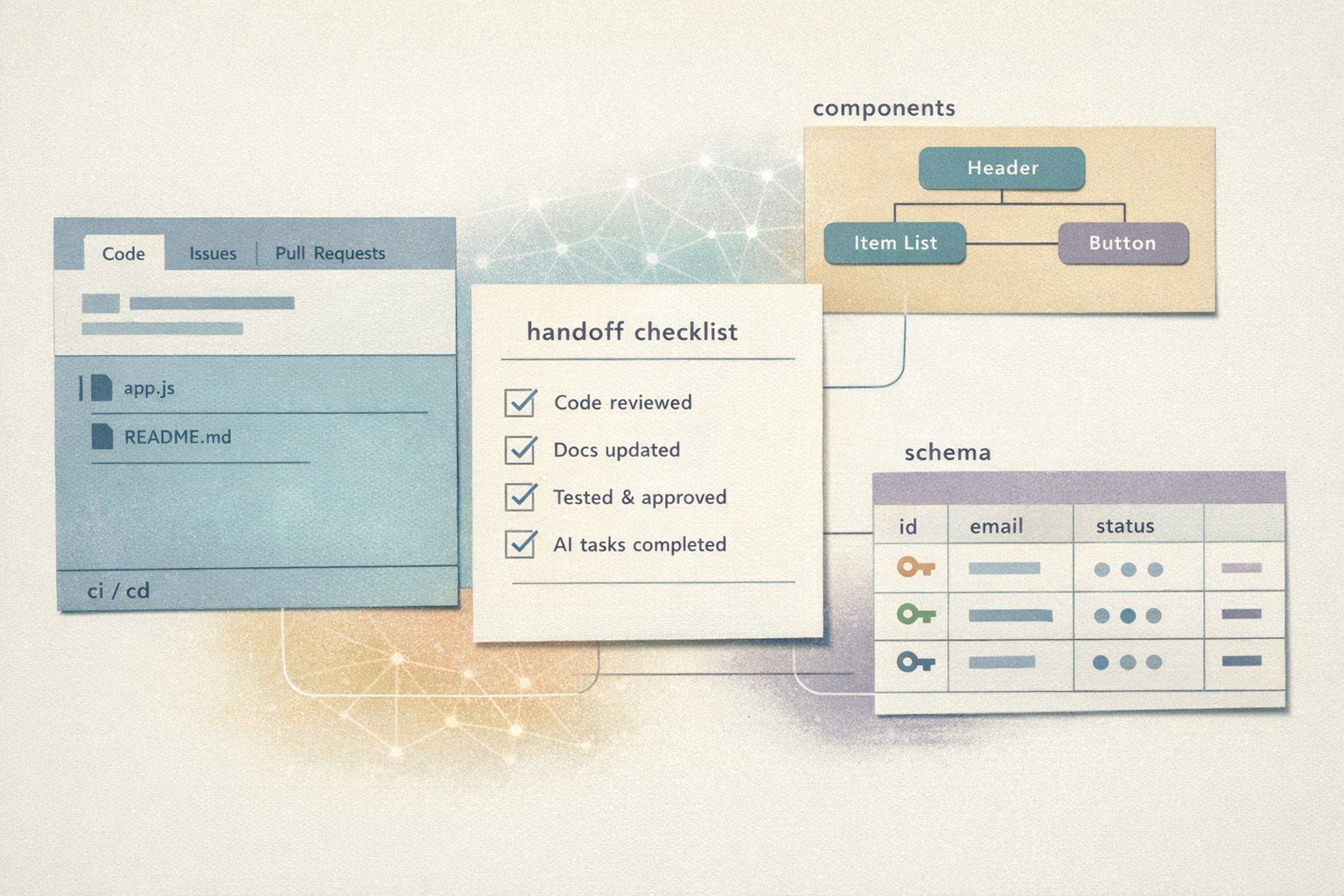
GitHub-First Handoff Checklist for AI-Generated React and Supabase Apps
A practical GitHub-first checklist to harden AI-generated React/Supabase apps into reviewable, maintainable production code.
Casey5 min read
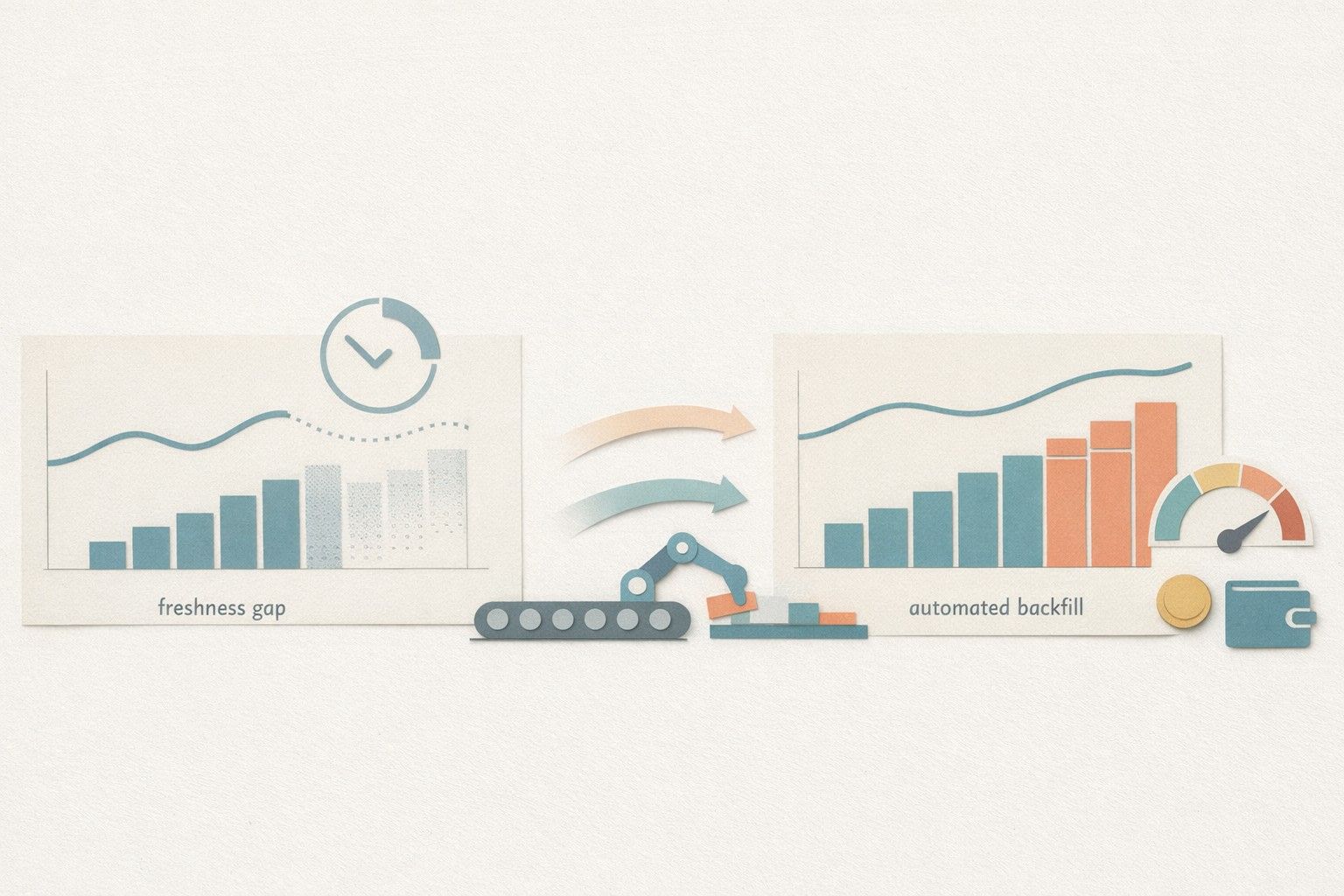
Delayed ad metrics skew daily pacing. Learn how freshness SLAs and automated backfills stabilize ROAS and budget decisions.
A practical playbook to dedupe, classify, and route feedback from support, sales, and community into one prioritized queue.
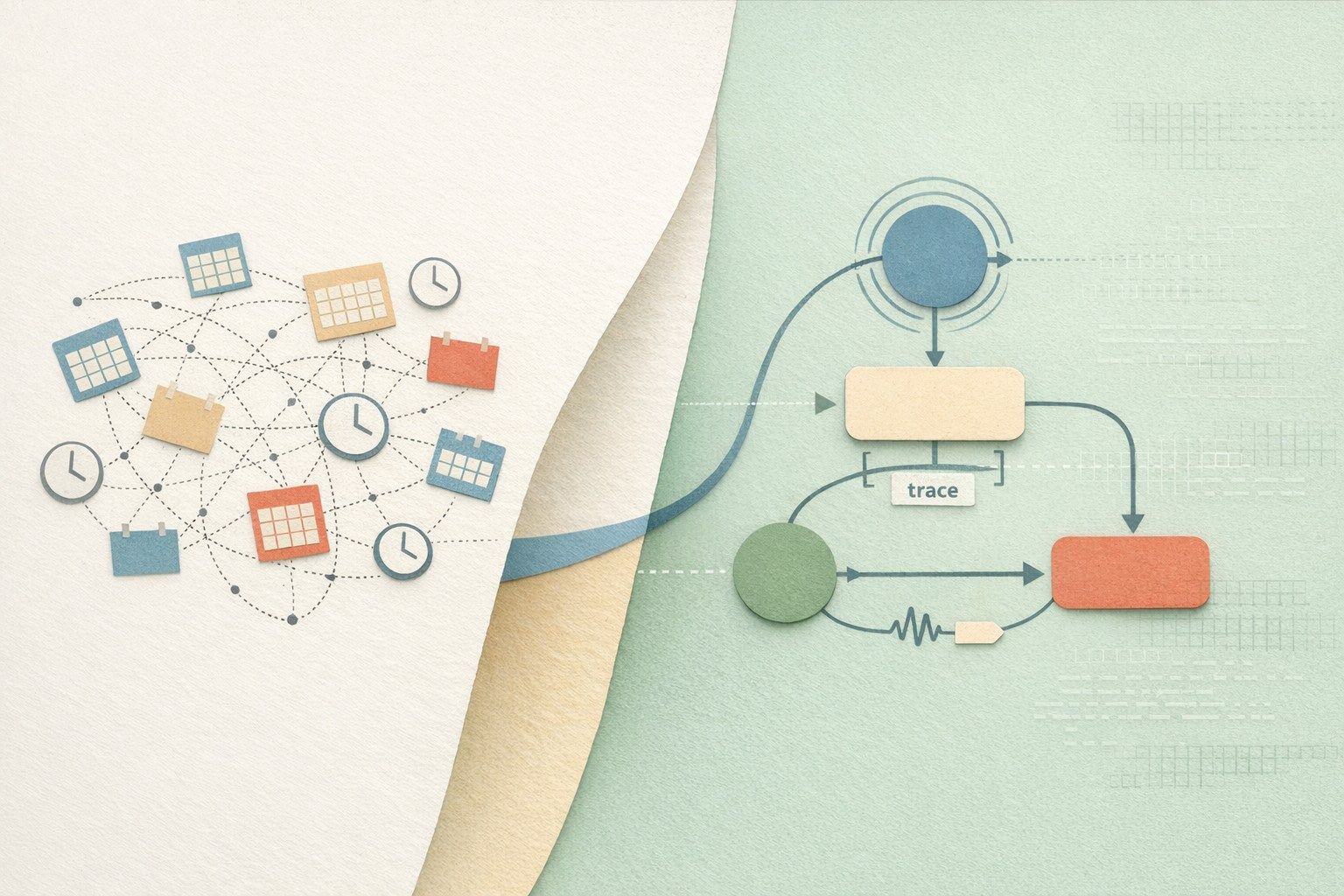
A step-by-step pattern to replace cron sprawl with code-defined DAGs and end-to-end OpenTelemetry tracing.
A cookie-free method to attribute AI chat clicks using UTMs and dedicated landing pages, with clean reporting and goals.
Schema-first brand seeding helps LLMs attribute vendor claims to credible third-party proof using structured, verifiable claim packets.
Schema-first prompting turns chat prototypes into stable Postgres + auth models using clear contracts, permissions, and migrations.
“Delayed ad metrics skew daily pacing. Learn how freshness SLAs and automated backfills stabilize ROAS and budget decisions.”
canny.io centralizes requests from sources like support tools, call platforms, and portals, then uses AI-assisted grouping to merge duplicates while keeping each customer’s attribution attached to the canonical item.
In canny.io, a simple, durable taxonomy works best: tag by request type (feature/bug/etc.), product area (team ownership), and user intent (job-to-be-done). Keep it small enough to stay consistent.
Yes. Using product area and request type tags, canny.io workflows can route items to specific owners or queues, so bugs, integrations, and compliance items don’t compete in one undifferentiated backlog.
A practical playbook to dedupe, classify, and route feedback from support, sales, and community into one prioritized queue.
Read the full story
A cookie-free method to attribute AI chat clicks using UTMs and dedicated landing pages, with clean reporting and goals.
By Casey